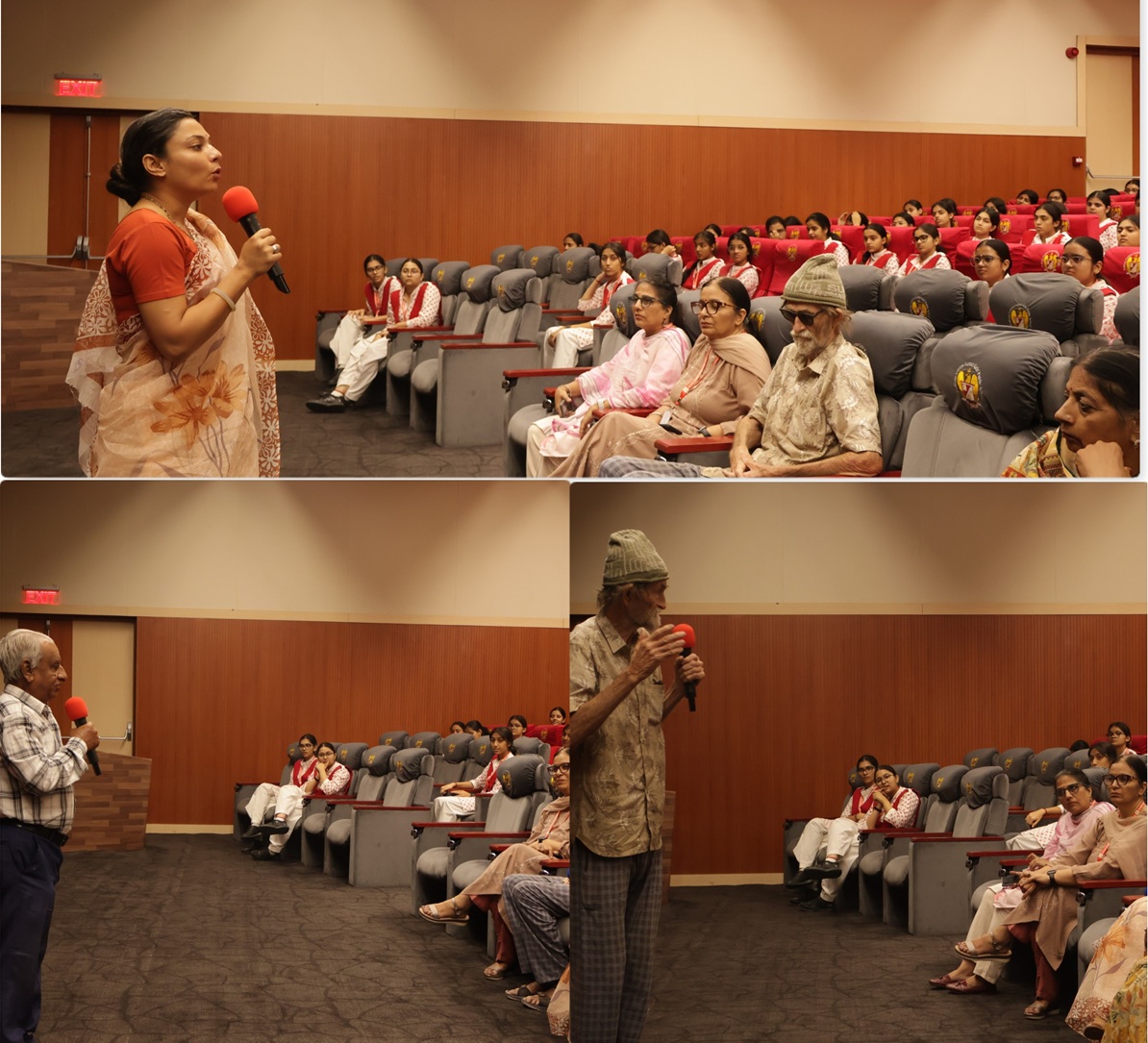
A Session on Water Conservation, Environmental Protection, and Civic Rights
was held in Rajmata Krishna Kumari Girls’ Public School, Jodhpur on 30 April, 2026. The session commenced on a spiritual note with Miss Hridaya Purohit invoking divine blessings through the recitation of the Shiva Tandava Stotram. This set a reflective tone for the deliberations that followed, centred on the urgent issue of water resource depletion and the collective responsibility to conserve water. Traditional structures such as baories were highlighted as timeless examples of sustainable living.
There were three distinguished speakers. Mr. Ramji Vyas was the Founder President of Adhyatmik Kshetra – Paryavaran Sansthan Samiti, Jodhpur, and a dedicated environmentalist for over 35 years. He shared his relentless efforts in environmental protection, including filing 11 PILs against the Government of Rajasthan to safeguard natural resources. Mr. Caron Rawnsley was an Irish environmentalist and water conservation activist, fondly known as the Aquaman of Jodhpur. He engaged the audience with his work in restoring traditional water structures like stepwells, emphasizing their cultural and ecological significance. The third renowned guest was Rajkumari Padmaja Rathore, President of the Stepwells Renovator Foundation. She is an environmentalist, documentary filmmaker and choreographer with over 20 years of experience. Deeply connected to the Jawai region, she spoke passionately about preserving traditional water systems, afforestation, and protecting the desert ecosystem.
In the session, a documentary The Last Keepers of the Herd was shown. It showcased the Dhawa Doli Community Wildlife Sanctuary in the Thar Desert, underlining the symbiotic relationship between communities and nature. The documentary shows Mr. Shravan Patel, a committed environmentalist from Melba village. He dedicates his time to protecting blackbucks, chinkaras, foxes, and over 150 bird species. He explained how the drying of water resources impacts both humans and wildlife. His initiatives, such as ensuring water reaches the farthest points of the sanctuary through bowsers, were lauded. He also raised concerns about farm fencing, thorny plants and wild dogs, which pose threats to biodiversity.
The key takeaways of the documentary by Nirmal Verma that Rajkumari Padmaja Rathore outlined are as follows: Water conservation is not just a necessity but a civic duty. Traditional structures like stepwells and baories are models of sustainable living. Wildlife protection and biodiversity preservation must go hand in hand with human development. Civic rights include the responsibility to safeguard natural resources for future generations. Student involvement is crucial in carrying forward the legacy of environmental stewardship. The session was a powerful reminder that environmental protection is both a cultural heritage and a civic responsibility, and the youth of RKKGPS are poised to lead this mission with awareness and action. The session emphasized the role of students of RKKGPS as active participants in shaping a better future through their contributions to environmental protection.